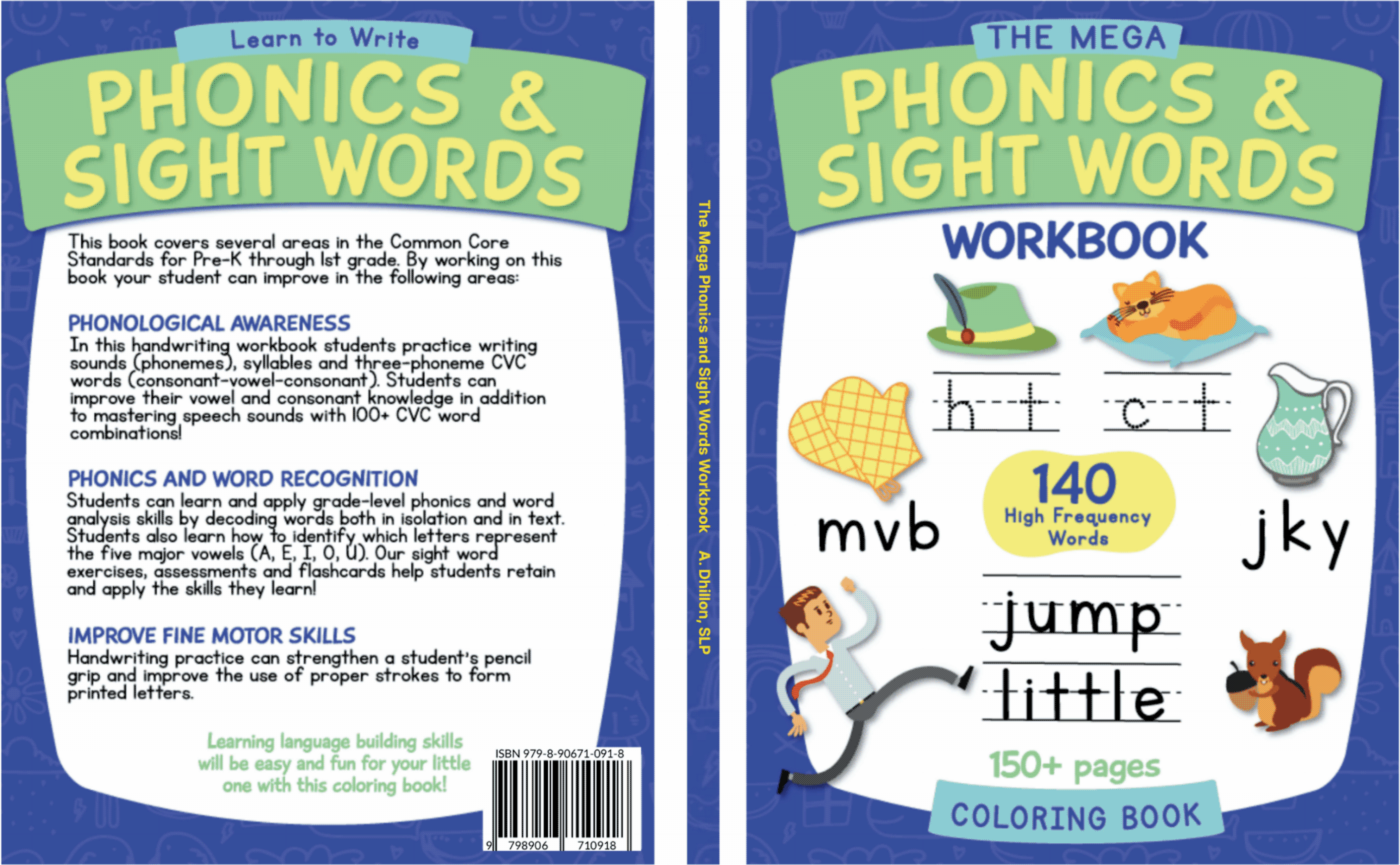
A Parent-Friendly Guide to Articulation and Phonological Skills Before Kindergarten
Starting kindergarten is an exciting milestone. It is also a time when many parents begin to think more carefully about their child's communication skills. Children entering a classroom need opportunities to share ideas, ask for help, follow directions, participate in learning activities, and build friendships with teachers and peers.
If your child is still working on clear speech, difficult sounds, sound combinations, or being understood by others, this Kindergarten Readiness Speech Therapy Book was created to give you a practical way to practice at home.
Created by a speech therapist, this book gives busy parents an organized, easy-to-use resource for helping children strengthen articulation and phonological skills before they begin kindergarten.
Support Speech Skills Before Kindergarten
Kindergarten readiness includes more than knowing letters, numbers, colors, and shapes. Communication matters, too. Children benefit from being able to use their words confidently, participate in classroom conversations, answer questions, communicate their needs, and be understood by others.
For some children, speech development takes extra time and practice. They may have difficulty pronouncing certain sounds, use patterns that make words difficult to understand, or become frustrated when others cannot understand what they are saying.
This book is designed to support children as they practice speech sounds in a positive, structured way. It can be used at home before kindergarten starts or alongside the support your child is already receiving through speech therapy services.
A Speech Practice Resource for Busy Parents
As a speech therapist, I know that parents want to help their children succeed. I also know that families are busy. Between work, school, meals, activities, appointments, and everyday responsibilities, it can be difficult to find speech practice ideas that are simple and realistic to use consistently.
That is why I created this book.
Instead of having to search for activities, create flashcards, or guess which sounds to practice, parents can use this resource as a straightforward guide for home speech practice. It is designed to make it easier to build small, meaningful moments of practice into your child's everyday routine.
A few minutes of positive practice at home can be a helpful addition to your child's speech-language support plan.
What Makes This Book Helpful
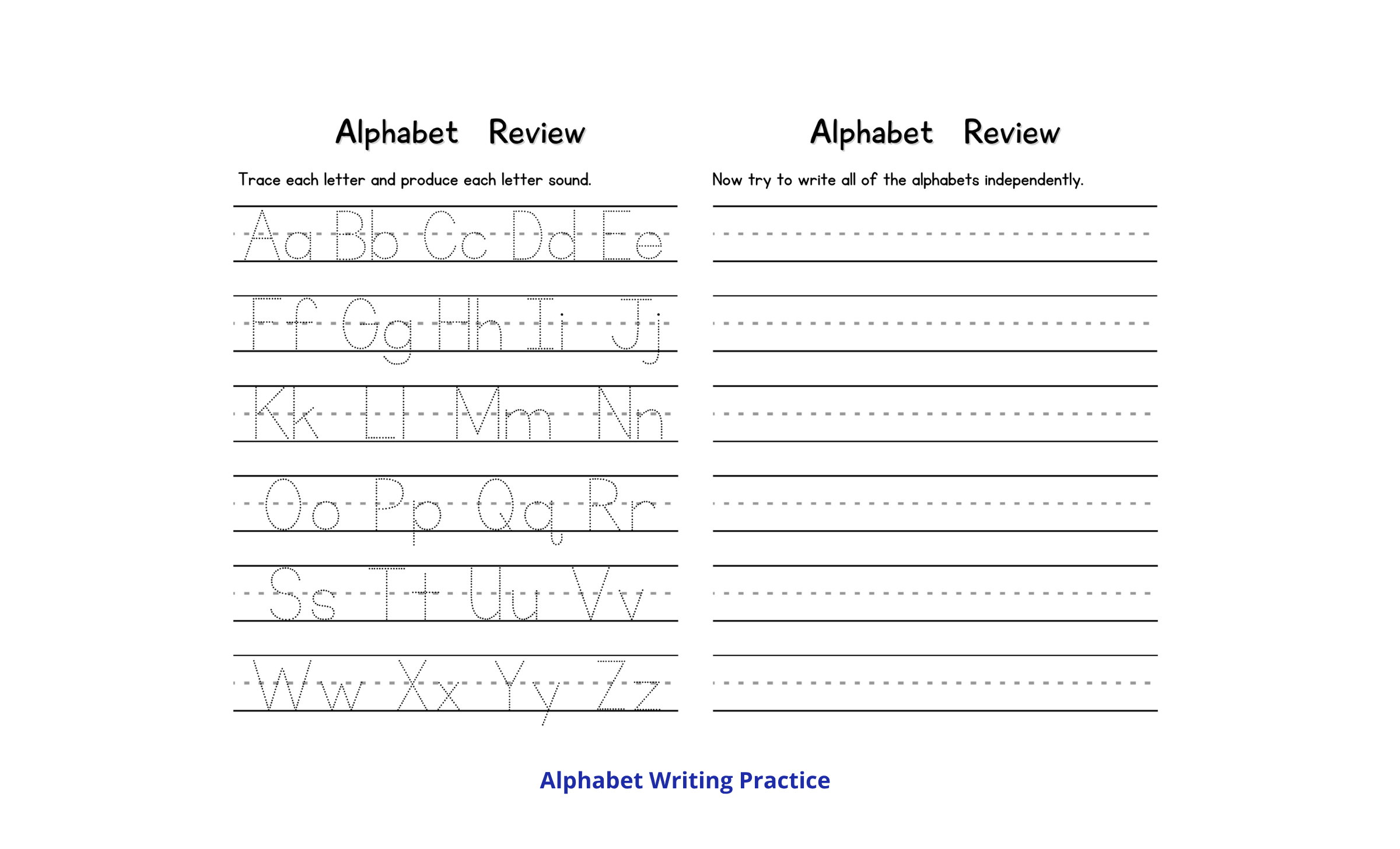
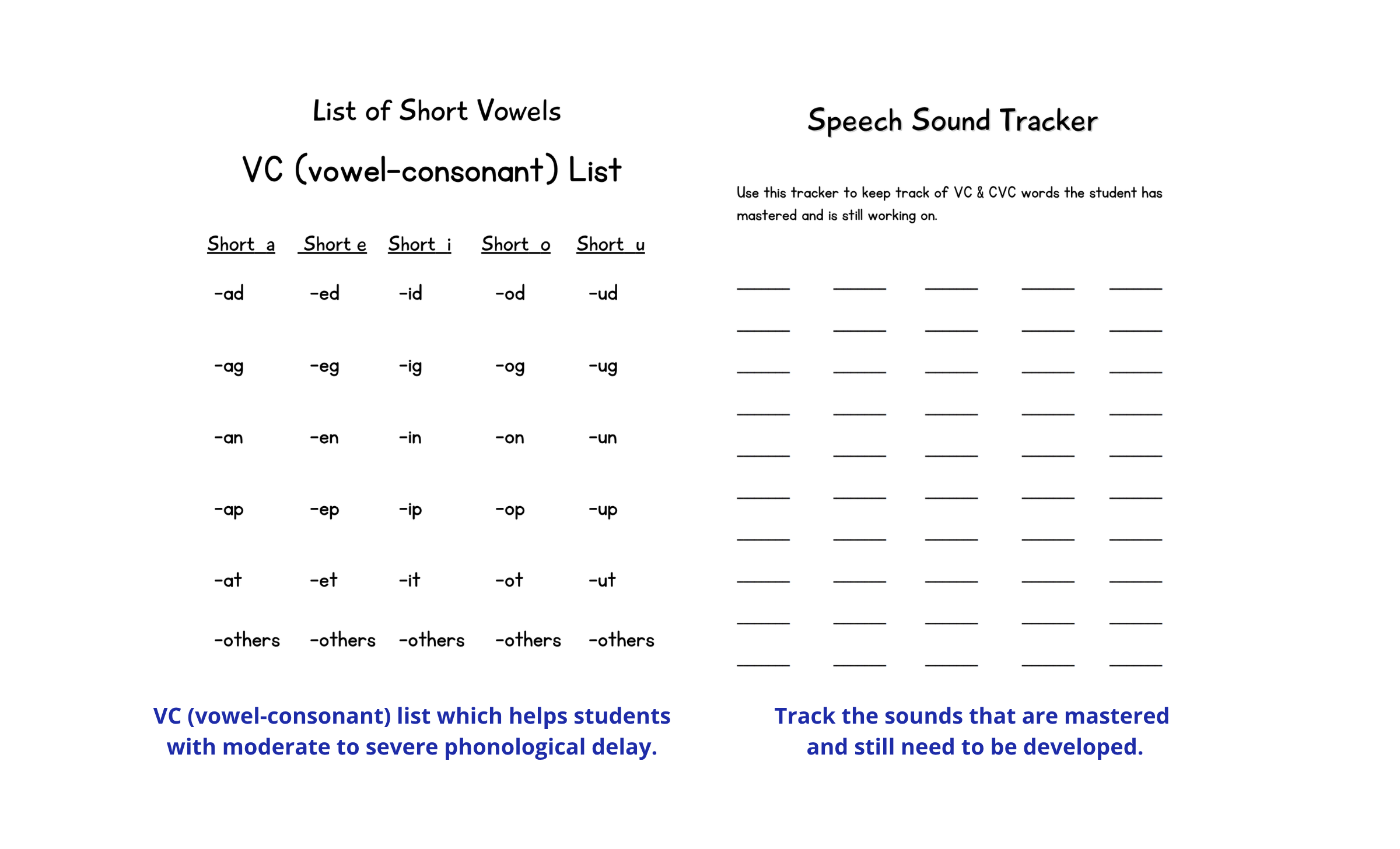
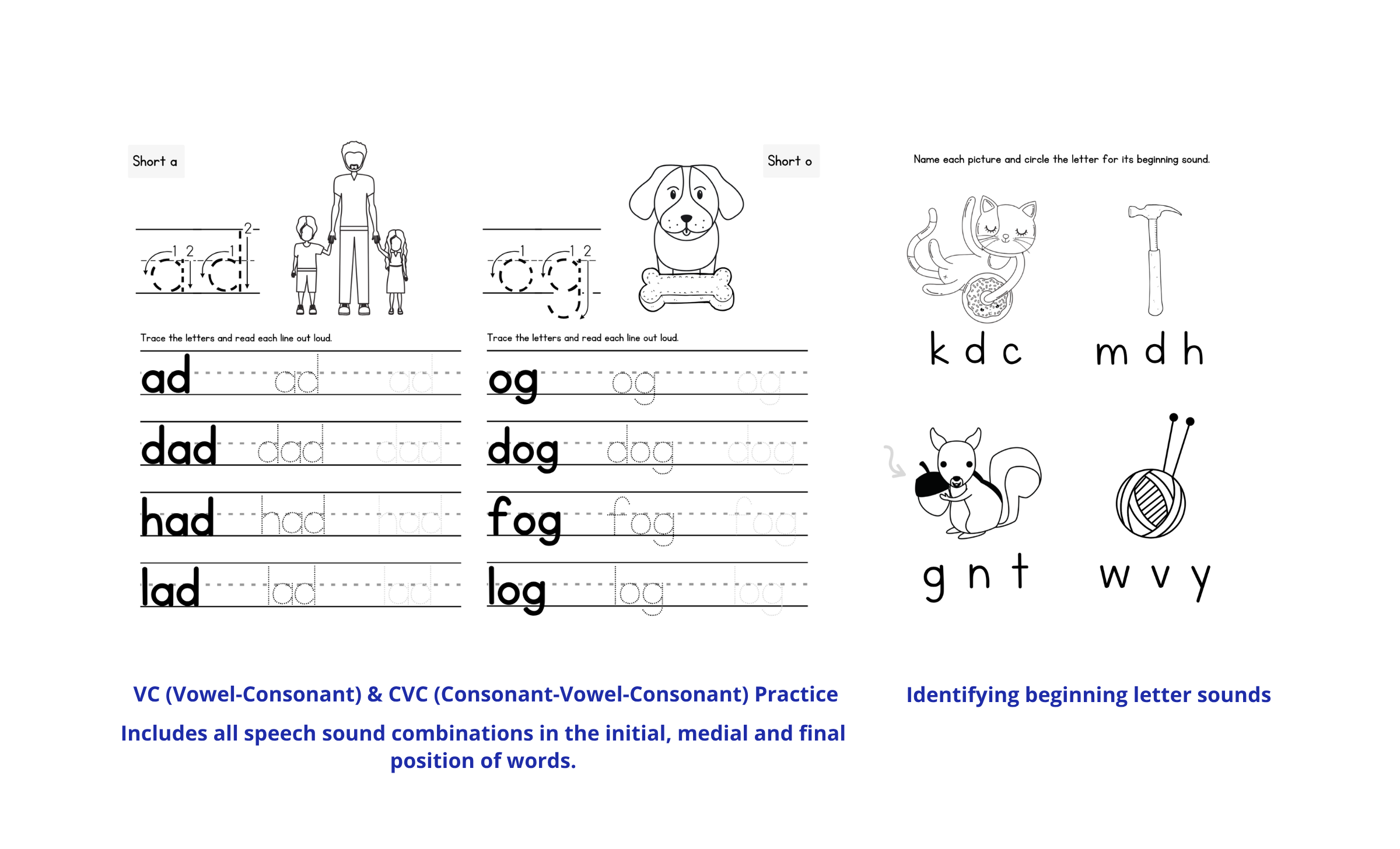
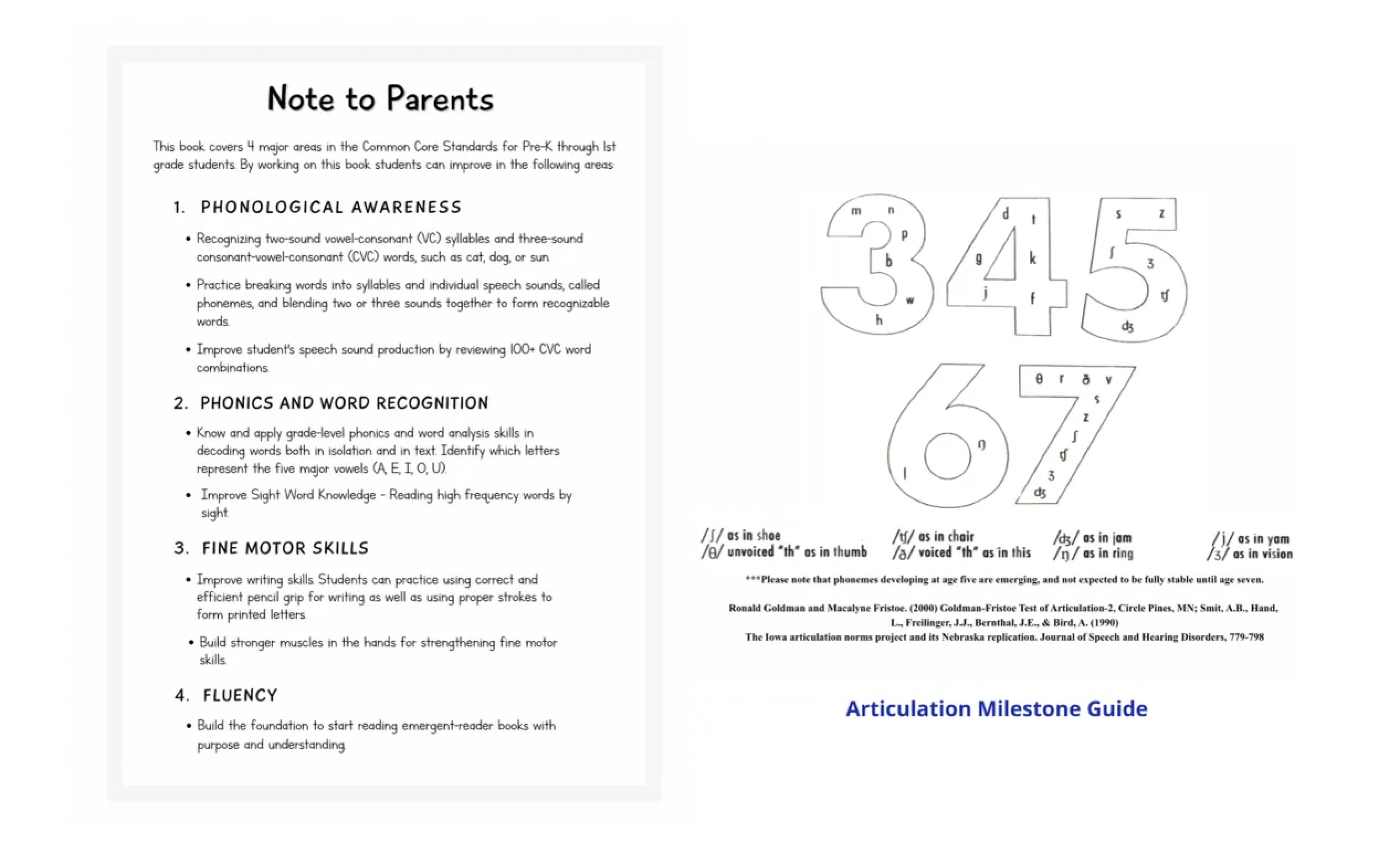
This speech therapy book includes speech sounds and sound combinations to help children build greater familiarity, confidence, and practice with the sounds they are learning to use.
The book was created to help parents:
- Practice speech sounds at home in a structured, parent-friendly way.
- Support articulation skills and clearer speech.
- Work on phonological skills and sound patterns.
- Practice sound combinations that may be difficult for children.
- Prepare children to communicate more confidently as they enter kindergarten.
- Create consistent practice without needing to plan every activity from scratch.
- Use a helpful tool between speech therapy sessions or while waiting for school-based services.
Every child develops differently, and progress can take time. The purpose of practice is not perfection. It is to give children encouraging, repeated opportunities to listen, try, learn, and gain confidence.
Who Can Benefit From This Book?
This book may be especially helpful for children who are preparing for kindergarten and need additional support with speech sound development.
It is a useful resource for children with:
- - Articulation delays.
- - Speech sound errors.
- - Phonological disorders.
- - Difficulty with speech sound combinations.
- - Reduced speech intelligibility.
- - Childhood Apraxia of Speech
- - A need for extra speech practice and confidence before beginning school.
For children with significant speech needs, including childhood Apraxia of Speech or phonological disorders, this book is best used as a home-practice tool in addition to recommendations from your child's speech-language pathologist. A licensed speech-language pathologist can evaluate your child's individual communication profile and create therapy goals that fit their specific needs.
How to Use the Book at Home
You do not need to spend an hour each day on speech practice. In fact, short and encouraging practice sessions are often easier for young children and more manageable for families.
Try using the book for five to ten minutes at a time. Choose a calm part of the day, such as after breakfast, after school, during a car ride, or before bedtime.
Make practice feel fun and low-pressure. Praise your child for trying, listening, and participating. If a sound is difficult, model it correctly and allow your child time to try again. Consistency, encouragement, and patience are more important than expecting perfect speech right away.
You can also bring the words and sounds from the book into everyday routines. Practice while playing, reading stories, looking for objects around the house, preparing meals, or talking about your child's day.
A Note From the Author
As a speech therapist, I created this book because I believe parents deserve a simple, practical way to support their child's speech development at home.
I have seen how much parents care about helping their children communicate clearly and confidently. I have also seen how overwhelming it can feel when you are trying to balance work, family responsibilities, school concerns, and appointments. Many parents want to help but are not sure where to begin or what to practice.
This book was created to make that process easier.
It includes speech sounds and sound combinations so parents have one organized resource to use at home. My goal was to create a supportive tool that helps parents practice with their children without needing to prepare materials, search for activities, or feel like they have to become the speech therapist.
You know your child best. Your encouragement, patience, and daily conversations matter. Even a few minutes of purposeful speech practice can help your child build confidence over time.
My hope is that this book helps families feel more prepared as their children approach kindergarten and begin this exciting new stage of learning, communication, and connection.
— Aman Dhillon, Speech Therapist
Help Your Child Begin Kindergarten With Confidence
Every child deserves to feel heard, understood, and confident using their voice. Whether your child is working on articulation, phonological skills, sound combinations, or speech clarity, regular practice can help support their communication journey.
This Kindergarten Readiness Speech Therapy Book was designed to give families a clear, practical resource for at-home support. It is a helpful tool for parents who want to encourage speech development before school begins and help their child feel more confident communicating in the classroom and beyond.